


Renting an X-ray system for an event is not as simple as placing a machine beside an entrance and turning it on. The equipment is only one part of a working checkpoint. Event organizers also need to plan the bag policy, lane layout, trained operators, power, secondary inspection, queue space, staffing, and how bag screening connects with person screening.
A well-planned X-ray system rental gives security teams a consistent way to inspect bags, cases, parcels, and approved personal belongings without opening every item by hand. The value of the system, however, depends on where it is placed and how the surrounding process is designed.
What Is an Event X-Ray System Used For?
An event X-ray system creates an image of the contents of bags, backpacks, cases, parcels, and other permitted belongings. For temporary event operations, X-ray screening rental can support guest bag lanes, staff entrances, vendor gates, credentialed access points, loading areas, and restricted checkpoints.
A trained operator reviews the image and determines whether the item can continue through the checkpoint or requires additional inspection. The event should define that resolution process before doors open.
X-ray screening is especially useful when an event needs to:
- Inspect permitted bags and personal belongings at controlled entrances.
- Screen staff, vendor, media, production, or contractor equipment cases.
- Create a more consistent inspection process than relying only on manual bag searches.
- Separate bag inspection from person screening when guest volume is high.
- Support temporary checkpoints where permanent X-ray infrastructure is unavailable.
1. Start With the Bag Policy, Not the Machine
Before deciding how many systems to rent, organizers should define what guests are allowed to bring. A clear bag policy determines the size and type of items that will reach the X-ray lane, the percentage of attendees who may require bag screening, and the amount of space needed before and after inspection.
A small clear-bag policy creates a different workload from an event that permits backpacks, camera bags, medical bags, vendor cases, or production equipment. The screening plan should match the actual item profile rather than assuming every attendee will use the same lane.
2. Plan the Checkpoint Layout Around Guest Flow
The X-ray lane should fit into the overall entrance process without creating a bottleneck. Guests need room to approach the inspection area, place belongings on the conveyor or inspection surface, move through person screening, collect cleared items, and continue toward ticket or credential verification.
The lane should also have a controlled location for unresolved bags. If an item requires a second look, it should not block the primary conveyor or force the guest to move backward through the line. Separating cleared items, unresolved items, and waiting guests makes the process easier for staff to manage.
3. Match the Number of Systems to Peak Arrivals
Total attendance matters, but peak arrival volume is usually more useful for equipment planning. A large event with guests arriving over several hours may need a different setup from a smaller event where most attendees arrive within a short window.
Organizers should estimate the busiest arrival periods, the percentage of guests carrying bags, the time required to resolve questionable images, and the number of entrances operating at the same time. Equipment quantity should be based on the busiest realistic period rather than the average hour.
4. Use Trained Operators and Defined Resolution Procedures
The system produces an image; it does not make the final security decision by itself. Qualified personnel need to interpret images, identify items that require follow-up, communicate with lane staff, and apply the event’s approved procedures.
- Operator responsibilities and shift coverage.
- Questionable-image resolution procedures.
- Secondary bag inspection responsibilities.
- Supervisor escalation and incident reporting.
- Communication between bag-screening and person-screening staff.
5. Account for Power, Weather, and Physical Setup
Temporary event screening often takes place in locations that were not designed as permanent checkpoints. Power availability, cable routing, weather protection, floor conditions, lighting, and equipment access all need to be confirmed before the rental arrives.
A pre-event site review can identify practical issues early, such as narrow gates, stairs, limited loading access, distant power sources, or insufficient space for tables and secondary inspection.
6. Coordinate X-Ray Screening With Person Screening
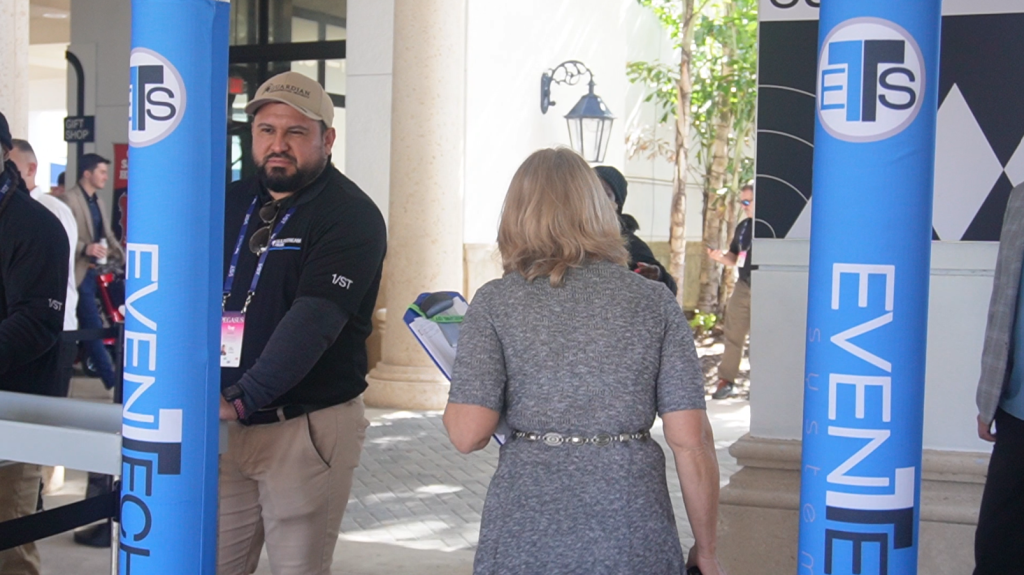
Bag screening and person screening solve different problems. X-ray equipment inspects belongings, while OPENGATE weapons detection or a walk-through metal detector rental can support screening of people moving through a controlled access point.
At many events, the two processes operate beside each other. Guests place permitted bags into the X-ray lane while they move through the appropriate person-screening process. Once both the guest and the belongings are cleared, they continue toward admission.
7. Prepare Guests Before They Reach the Checkpoint
One of the easiest ways to reduce screening delays is to communicate expectations before event day. Tickets, confirmation emails, venue pages, social media, parking instructions, and entrance signage can explain bag size limits, prohibited items, entrance locations, and recommended arrival times.
Common X-Ray System Rental Mistakes to Avoid
- Choosing the number of machines based only on total attendance.
- Placing the system where there is no room for queues or secondary inspection.
- Failing to separate person-screening and bag-screening responsibilities.
- Not confirming power, delivery access, or site conditions before installation.
- Publishing the bag policy too late for guests to prepare.
- Allowing unresolved bags or guests to block the primary screening lane.
Questions to Ask Before Booking an X-Ray System Rental
- What types and sizes of bags or cases need to be screened?
- How many guests are expected during the busiest arrival window?
- How many entrances and bag-screening lanes will operate at the same time?
- Who will operate the X-ray system and who will perform secondary inspection?
- What power, weather protection, and physical setup are available at each checkpoint?
- Will the X-ray lane operate alongside weapons detection, walk-through metal detectors, credential checks, or other screening methods?
- What delivery, installation, testing, training, support, and removal services are included in the rental?
Build the Rental Around the Event, Not Just the Equipment
An effective X-ray system rental begins with the event operation. Bag policy, arrival patterns, venue layout, staffing, power, screening procedures, and guest communication should determine how the equipment is deployed.
OpenGateRentals.com provides nationwide security equipment rental support for temporary events, including X-ray screening, OPENGATE weapons detection, and walk-through metal detector options.
For an upcoming event, request a screening plan based on the venue, attendance, bag policy, entrances, and operating schedule.

